Describe the Different Means of Locomotion Used by Prokaryotes
The information below was adapted from OpenStax Biology 294. Describe the different types of bacteria 3.
Prokaryotes
Contrast the behavior of a virus outside versus inside a cell.
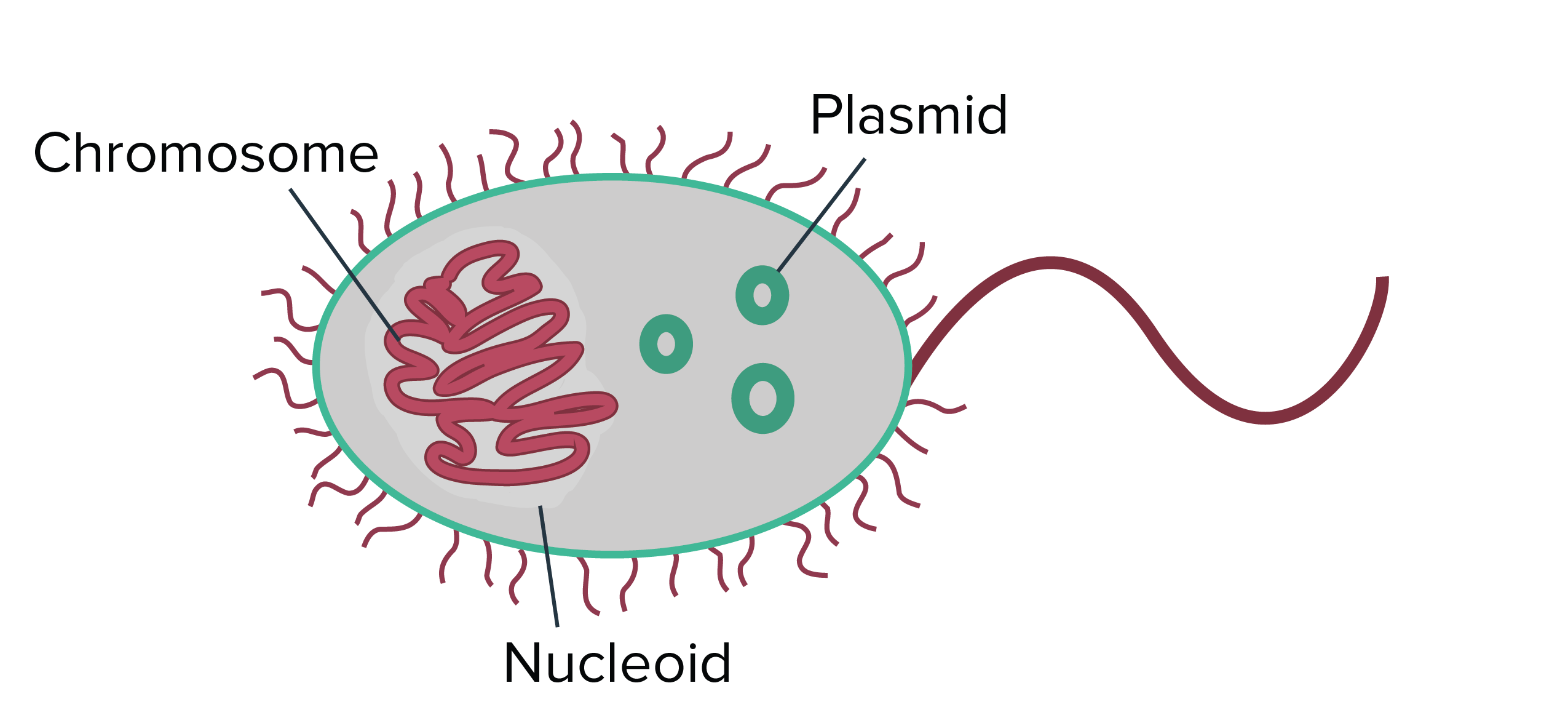
. As a result there is no nuclear membrane separating genetic material DNA from the other components of the cell. Compartmentalization for Cellular Life 8. Describe the actual and relative sizes of a virus a bacterium and a plant or animal cell.
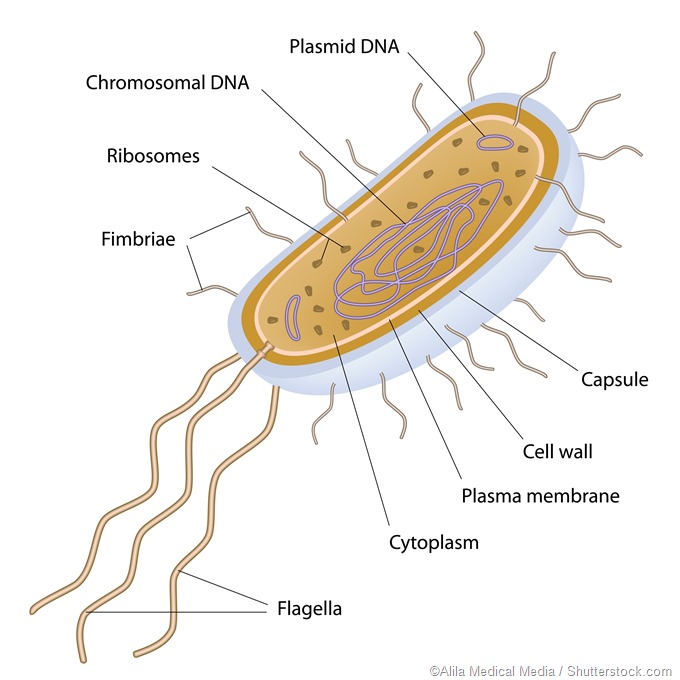
Some protists such as the true slime molds exhibit multiple. Recall that prokaryotes are unicellular organisms that lack membrane-bound organelles or other internal membrane-bound structures Figure 2. Most prokaryotes have a cell wall outside the plasma membrane.
Definition of Cell 2. Cover different classification schemes for grouping bacteria especially the use of the Gram stain 2. Ammonia tepida a Rhizaria species viewed here using phase contrast light.
Cell An Open System 9. In prokaryotes then the cytoplasm occupies the entire cell environment within the plasma membrane. Acellular microorganisms which means they are not composed of cells.
Protists reproduce by a variety of mechanisms. Limit of Cell Size or Volume 6. Flukes Choose the answer that best completes the blanks of this sentence in order.
This type of motion called cytoplasmic streaming is used by several diverse groups of protists as a means of locomotion or as a method to distribute nutrients and oxygen. Name three structures that various protozoa use for locomotion. After reading this essay you will learn about.
An organelle is a tiny cellular structure that performs specific functions within a cellOrganelles are embedded within the cytoplasm of eukaryotic and prokaryotic cellsIn the more complex eukaryotic cells organelles are often enclosed by their own membraneAnalogous to the bodys internal organs organelles are specialized and perform valuable functions necessary for. Their chromosomeusually singleconsists of a piece of circular double-stranded DNA located in an area of the cell called the nucleoid. However by incorporating themselves into a host cell viruses are able to co-opt the hosts cellular mechanisms to.
Discovery of Cell 3. Sometimes Paramecium exhibits this method. Here you can learn about research areas and fields in biology.
Where would a virus bacterium animal cell and a prion belong on this. A classification scheme that focused on means of locomotion number of nuclei and the ability to form cysts would be most helpful in classifying tapeworms. Prokaryotes on the other hand lack a true nucleus DNA material contained in a nuclear membrane.
Most undergo some form of asexual reproduction such as binary fission to produce two daughter cellsIn protists binary fission can be divided into transverse or longitudinal depending on the axis of orientation. Essentially a virus consists of proteins and genetic materialeither DNA or RNA but never boththat are inert outside of a host organism. The purpose of this lecture is to introduce you to terminology used in microbiology.
Describe the differences between bacteria and archaea. The amniotes reptiles birds and mammals are distinguished from amphibians by their terrestrially adapted egg which is protected by amniotic membranes fluid-filled membranes which function in embryonic developmentThe evolution of amniotic membranes meant that the embryos of. If you need to craft a biology essay this article is for you.
The folding patterns of the cristae differ among various types of eukaryotic cells and are used to distinguish different eukaryotic organisms from each other. Each mitochondrion is surrounded by two membranes the inner of which is extensively folded into cristae and is the site of the intermembrane space. In this essay we will discuss about the cell.
Modern Cell Theory 5. Discuss bacterial structure and the function of the different bacterial components 4. The protist then transports its cytoplasm into the pseudopod thereby moving the entire cell.
This type of motion is similar to the cytoplasmic streaming used to move organelles in the Archaeplastida and is also used by other protists as a means of locomotion or as a method to distribute nutrients and oxygen.

Cilia Versus Flagella Prokaryotes Prokaryotic Cell Eukaryotic Cell
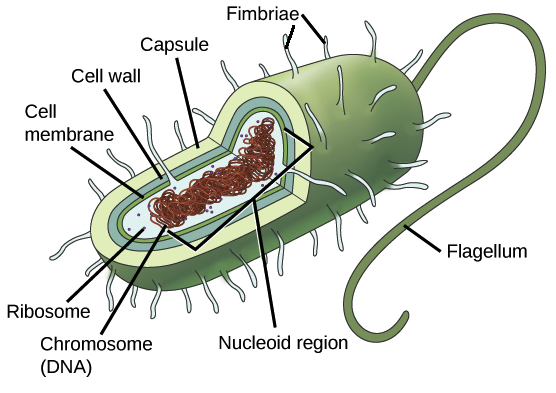
Prokaryotic Cells Article Khan Academy
Prokaryote Structure Article Khan Academy


Comments
Post a Comment